Free delivery
on orders over £30
Free gift
on orders over £40
Discreet packaging
plain packing
Visit us
16E Whittle Rd, Cardiff
Online
since 1999

Pubic hair grooming can be hit and miss, with so many methods and conflicting advice out there.
We’ve all wondered about the safest way to trim, shave, or remove hair without causing irritation or other problems.
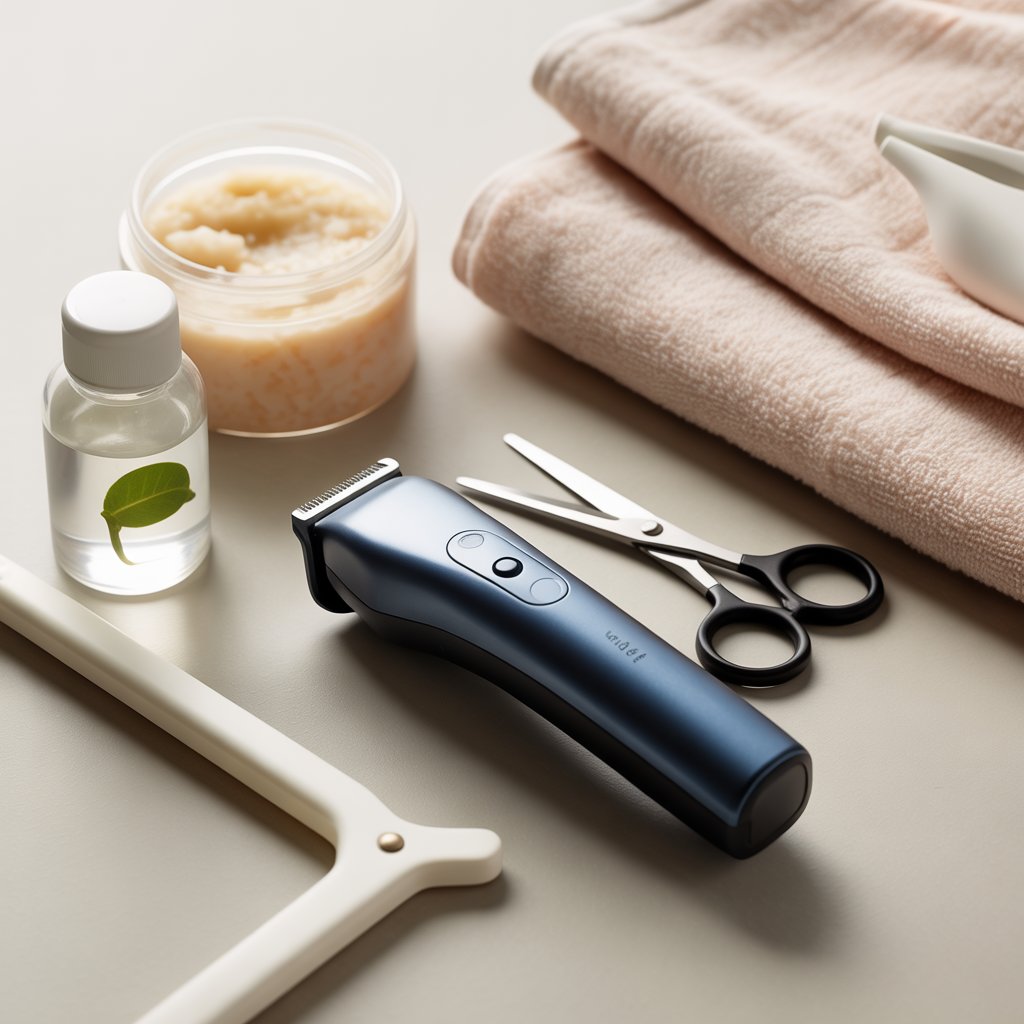
The key to safe pubic hair grooming is choosing the right method for your skin type and following proper hygiene practices.
Whether you prefer shaving, waxing, or trimming, each approach has specific techniques that reduce your risk of cuts, infections, and ingrown hairs.
We’ll walk you through everything from selecting the best grooming method to caring for sensitive skin afterwards.
You’ll learn how to avoid common mistakes and keep your skin healthy whilst achieving the results you want.
Pubic hair grooming involves personal choices about hygiene, comfort, and appearance.
We’ll explore why people groom pubic hair, how personal preferences shape these decisions, and clear up common myths.
Grooming pubic hair serves several practical purposes.
It can help reduce odour by limiting bacteria buildup in hair follicles.
Many people find trimmed or removed pubic hair more comfortable during physical activities or when wearing tight clothing.
Some choose grooming for aesthetic reasons.
They prefer how their body looks with less or no pubic hair.
Others find that grooming makes them feel cleaner or more confident.
Hygiene benefits include:
Comfort reasons vary by person.
Athletes often groom to prevent chafing.
Some find that shorter pubic hair reduces irritation from underwear or swimwear.
Your pubic hair is entirely your choice.
There’s no right or wrong way to manage it.
Some people prefer a natural look, whilst others like trimming or complete removal.
Cultural influences often shape our views about pubic hair.
Media and social pressures can make people feel they must groom in certain ways.
Body positivity means accepting that all choices are valid.
Common grooming preferences include:
We should respect others’ choices about their bodies.
What works for one person may not suit another.
Factors like skin sensitivity, lifestyle, and personal comfort all influence these decisions.
Many myths surround pubic hair grooming.
One false belief is that pubic hair is unhygienic.
Natural pubic hair actually protects sensitive skin and helps prevent infections.
Another misconception is that everyone must groom their pubic hair.
This isn’t true.
Pubic hair serves natural functions, including cushioning and temperature regulation.
Some believe that removing pubic hair completely is always safer.
However, hair removal can cause cuts, irritation, and ingrown hairs if done incorrectly.
Facts about pubic hair:
The idea that pubic hair is unattractive is purely cultural.
Beauty standards change over time and vary between societies.
Different grooming methods work better for different people and situations.
Your skin type, pain tolerance, and desired results will help determine the best approach for you.
Trimming offers the gentlest approach to pubic hair grooming.
We recommend using scissors with rounded tips or an electric trimmer designed for sensitive areas.
This method reduces hair length without removing it completely.
You keep a natural look whilst maintaining cleanliness and comfort.
Benefits of trimming:
Start by combing the hair upwards.
Trim gradually to avoid cutting too much at once.
Most people find 6-13mm length comfortable.
Electric trimmers work faster than scissors.
Look for waterproof models with adjustable guards.
Always trim when hair is dry and clean.
Shaving provides smooth results but requires careful technique.
We suggest using a sharp, clean razor and plenty of shaving gel or cream.
Benefits:
Drawbacks:
Always shave in the direction of hair growth first.
Use gentle pressure and rinse the blade frequently.
The bikini line needs extra care due to curves and sensitive skin.
Replace razor blades regularly.
Dull blades increase irritation and cuts.
Consider single-blade razors if you have very sensitive skin.
Waxing removes hair from the root for longer-lasting results.
Professional waxing often works better than home kits for pubic areas.
Results typically last 3-6 weeks.
Hair grows back finer and softer than after shaving.
The bikini line and other pubic areas can be quite painful during waxing.
Waxing considerations:
Some people experience ingrown hairs after waxing.
Gentle exfoliation 2-3 days after treatment helps prevent this issue.
Avoid waxing during menstruation when skin sensitivity increases.
Book appointments for the week after your period when possible.
| Method | Duration | Pain Level | Cost | Best For |
|---|---|---|---|---|
| Trimming | 2-3 weeks | Low | Low | Sensitive skin, beginners |
| Shaving | 2-5 days | Low-Medium | Low | Quick results, smooth finish |
| Waxing | 3-6 weeks | High | Medium-High | Long-lasting results |
For sensitive skin: Start with trimming before trying other methods.
Test small areas first with any new technique.
For convenience: Shaving offers the quickest option for immediate results.
Waxing provides the longest gap between treatments.
For beginners: We recommend starting with trimming to understand your skin’s response.
You can always try other methods later.
Consider your lifestyle and preferences when choosing.
Some people combine methods, using different techniques for different areas or occasions.
Proper shaving technique and preparation can prevent most common problems like irritation and ingrown hairs.
Using the right products and taking your time makes a significant difference in your comfort and results.
We always recommend starting with clean, warm skin.
Take a shower or bath first to soften the hair and open your pores.
Trim longer hair with scissors or clippers before shaving.
Hair longer than 5mm can clog your razor and cause tugging.
Pre-shave steps:
For those with sensitive skin, we suggest applying a thin layer of olive oil before your shaving cream.
This creates an extra barrier that reduces friction.
Never shave completely dry skin.
This guarantees irritation and increases your risk of cuts.
We prefer multi-blade razors with moisturising strips for pubic hair.
Single-blade razors work well too if you have good technique.
Replace razor blades every 5-7 shaves.
Dull blades require more pressure and cause more irritation.
Best shaving cream options:
Avoid products with alcohol, menthol, or strong fragrances.
These ingredients can cause burning and irritation on delicate skin.
We don’t recommend using regular bar soap as it doesn’t provide enough lubrication.
Always shave in the direction of hair growth first.
This means downward strokes on most areas.
Use light pressure and let the razor do the work.
Pressing hard won’t give you a closer shave but will irritate your skin.
Proper shaving technique:
For an extra-close shave, we suggest a second pass across the grain (perpendicular to hair growth).
Never shave against the grain on your first attempt.
Rinse with cool water when finished to close your pores.
Ingrown hairs form when hair grows back into the skin instead of upward. They appear as small, red bumps that may contain pus.
Don’t pick or squeeze ingrown hairs. Picking can cause infection and scarring.
Treatment options:
If an ingrown hair becomes severely infected or doesn’t improve after a week, contact your GP. Some ingrown hairs may need professional treatment.
To prevent future ingrown hairs, exfoliate gently 24 hours after shaving. Moisturise the area daily.
Use proper waxing technique and aftercare to protect your skin and reduce discomfort. Good preparation and the right products help, especially for sensitive areas.
Prepare your skin before waxing the bikini line. Clean the area with mild soap and pat it dry.
Hair should be about 6mm long for best results. Test the wax temperature by applying a small amount to your wrist.
It should feel warm, not hot. Hot wax can burn sensitive skin in the bikini area.
Follow these safety steps:
Never wax over the same area twice. Waxing the same spot again causes irritation and can damage the skin.
If some hairs remain, tweeze them individually. Work in small sections for better control on the bikini line’s curves and sensitive spots.
Take a warm shower before waxing to open hair follicles and ease removal. Avoid waxing during your period when skin feels more sensitive.
Apply numbing cream 30 minutes before waxing if your skin is very sensitive. Look for creams with lidocaine or benzocaine.
Reduce pain by:
Don’t wax if you have cuts, spots, or irritated skin. Wait until the area heals. Waxing over damaged skin can cause infection.
Start with a small test area to see how your skin reacts. Everyone’s sensitivity is different.
Cool the skin after waxing with a cold compress or an ice pack wrapped in cloth. This helps reduce swelling and soothes irritation.
Apply a gentle moisturiser within 24 hours. Jojoba oil works well for sensitive skin. It absorbs quickly and doesn’t clog pores.
Our aftercare routine should include:
| First 24 Hours | Days 2-7 |
|---|---|
| Cool compress | Gentle exfoliation |
| Light moisturiser | Regular moisturising |
| Loose clothing | Jojoba oil application |
Olive oil can soothe freshly waxed skin, but it may feel heavier than jojoba oil. Choose whichever feels most comfortable.
Avoid hot baths, saunas, and tight clothes for 48 hours. These can irritate newly waxed skin and cause ingrown hairs.
Exfoliate gently 2-3 days after waxing to prevent ingrown hairs. Use a soft scrub or exfoliating mitt and apply light pressure.
Sensitive skin in the pubic area needs gentle care before, during, and after grooming. Focus on gentle ingredients that reduce irritation and use proper hydration techniques to keep your skin healthy.
Aloe vera is an effective natural soother. Pure aloe vera gel reduces redness and calms irritated skin right after grooming.
Look for products with at least 95% aloe vera. Avoid gels with alcohol, fragrances, or artificial colours.
Jojoba oil mimics your skin’s natural oils. It absorbs quickly and doesn’t leave a greasy feel. Apply a thin layer to damp skin for best results.
Olive oil works well as a natural moisturiser. Extra virgin olive oil contains fewer additives than processed versions. Use it sparingly because it takes longer to absorb than Fire Rated.
Other gentle options include:
Apply moisturiser within three minutes of grooming while your skin is still damp. This helps lock in moisture.
Choose fragrance-free, hypoallergenic products designed for sensitive skin. Avoid anything with menthol, alcohol, or strong fragrances.
Morning routine: Use a lightweight, fast-absorbing moisturiser. Jojoba oil or aloe vera gel work well.
Evening routine: Apply a richer cream or oil blend. Your skin repairs itself overnight, so this helps healing.
Pat products onto skin gently instead of rubbing. The pubic area is more delicate than other parts of your body.
Drink plenty of water daily. Hydrated skin heals faster and stays healthier.
Normal reactions include mild redness that fades within 2-4 hours. Slight tingling right after grooming is also common.
Concerning symptoms include:
Stop grooming if you notice these signs. Apply cool compresses for 10 minutes several times a day.
Use over-the-counter hydrocortisone cream (0.5% or 1%) for persistent irritation. Apply it twice daily for no more than seven days.
See your GP if symptoms worsen after three days or if you notice signs of infection like increased warmth, red streaks, or fever.
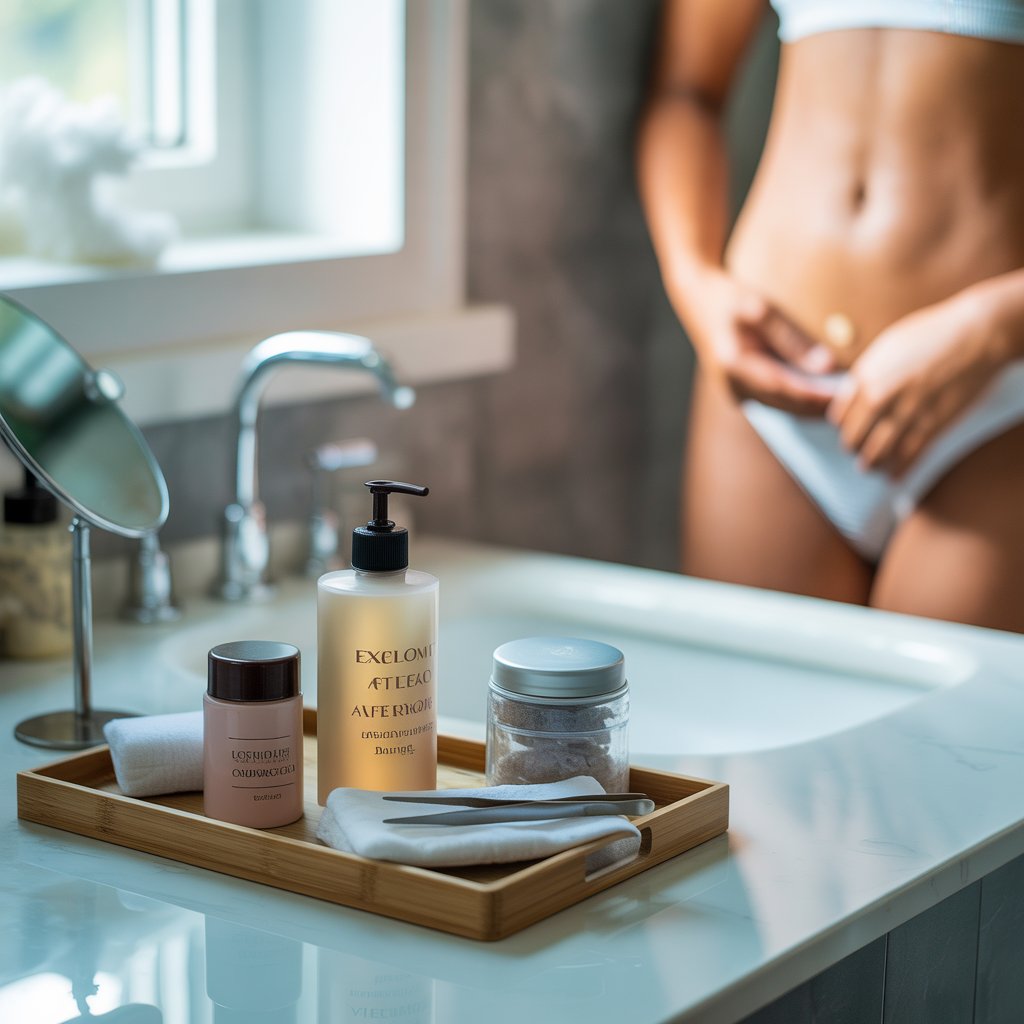
Ingrown hairs form when hair grows back into the skin instead of growing outward. You can prevent most ingrown hairs with proper grooming and treat existing ones with gentle care.
Exfoliate before grooming to remove dead skin cells that trap hairs. Use a gentle scrub or exfoliating mitt 24 hours before shaving or trimming.
Use sharp, clean tools every time you groom. Dull razors pull at hairs and create uneven cuts that curve into skin.
Shave in the direction of hair growth instead of against it. This reduces irritation and prevents hairs from being cut too short.
Apply a warm compress before grooming to soften hairs and open pores. Hold it against the skin for 2-3 minutes.
Moisturise daily with a fragrance-free lotion to keep skin soft. Dry skin makes it harder for hairs to break through.
Wear loose-fitting underwear made from breathable fabrics like cotton. Tight clothing can push hairs back into follicles.
Never pick or squeeze ingrown hairs. Let them heal naturally whenever possible.
Apply a warm compress twice daily for 10-15 minutes to reduce swelling and help the hair surface.
Use aloe vera gel to soothe irritated skin and reduce inflammation. Apply it 2-3 times daily until the area heals.
Try gentle exfoliation with a soft washcloth to help trapped hairs emerge. Move in small circles without pressing hard.
Apply an over-the-counter treatment with salicylic acid to reduce swelling and prevent bacteria buildup.
See a healthcare provider if ingrown hairs become infected, very painful, or don’t improve after two weeks of home care.
Proper pubic hair care means paying attention to skin health and knowing when to get professional help. Regular maintenance prevents problems and early action stops issues from getting worse.
Set up a daily skincare routine for your pubic area. Use gentle, fragrance-free cleansers during your regular wash.
Pat the area dry after bathing. Trapped moisture can lead to bacterial growth and skin irritation.
Apply a light, unscented moisturiser to prevent dryness. Choose products designed for sensitive skin.
Weekly maintenance checklist:
Change your underwear daily and choose breathable fabrics like cotton. Synthetic materials can trap heat and moisture.
Avoid tight-fitting clothing that rubs against the pubic area. This reduces friction and prevents chafing.
See your GP if you notice persistent redness lasting more than three days. This could indicate infection or an allergic reaction.
Seek medical attention for painful lumps or cysts in the pubic area. These may need professional treatment.
Warning signs requiring immediate consultation:
Contact a dermatologist if you have recurring ingrown hairs that don’t improve with home treatment. They can recommend stronger treatments or procedures.
Talk to healthcare providers if you experience ongoing skin irritation. They can check for conditions like eczema or folliculitis that need specific care.
